Strong Islamic culture
So missionaries build trust and serve before they speak.
Mission Center · Bishoftu · In planning
A residential campus where 70–150 missionaries train at one time before being sent to the low land and beyond, built in phases that partners can adopt.
The land is being obtained from the government and that process is under way. item 15: building and farm status
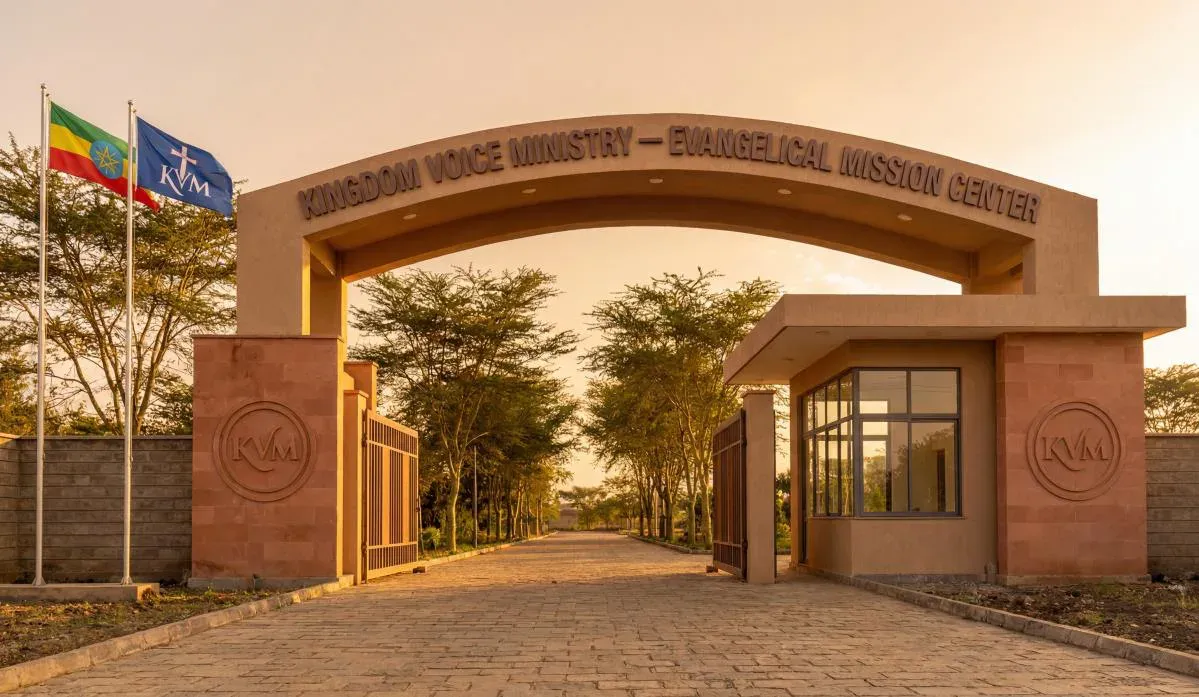 Concept rendering
Overview
A poultry and dairy farm on the campus feeds the students, teaches practical skills, and covers between a quarter and a third of the running costs. All campus images are concept renderings, not photographs of finished buildings.
Why the low land
So missionaries build trust and serve before they speak.
So missionaries learn to live mobile and simple.
So missionaries bring practical help: farming, clean water, basic care.
Training programme
| Area | Subjects | What the graduate can do |
|---|---|---|
| Theology and mission | Islamic studies, cross-cultural evangelism, church-planting strategy | Share the Gospel respectfully |
| Language and culture | Local low land languages and Oromiffa; anthropology of pastoralists | Speak and live with local people |
| Practical skills | Dairy, poultry, water filtration, basic carpentry | Earn a living and help the village |
| Safety and health | First aid, malaria care, conflict de-escalation, survival skills | Stay safe in remote places |
Campus plan
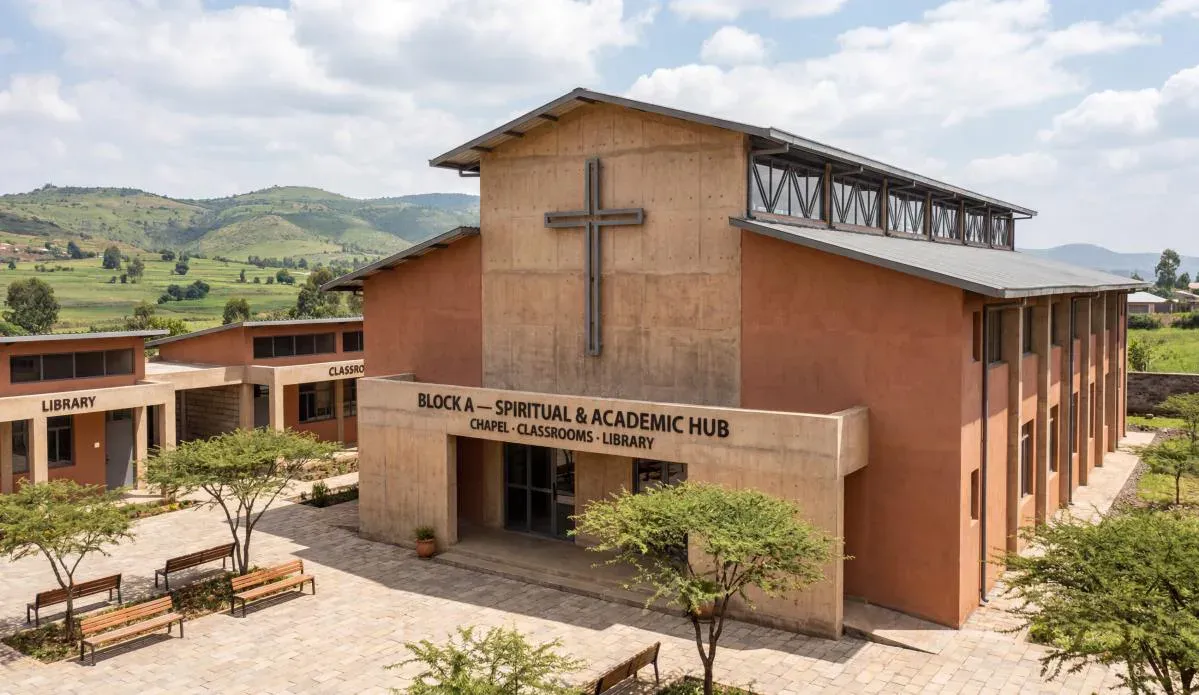 Concept rendering · Block A
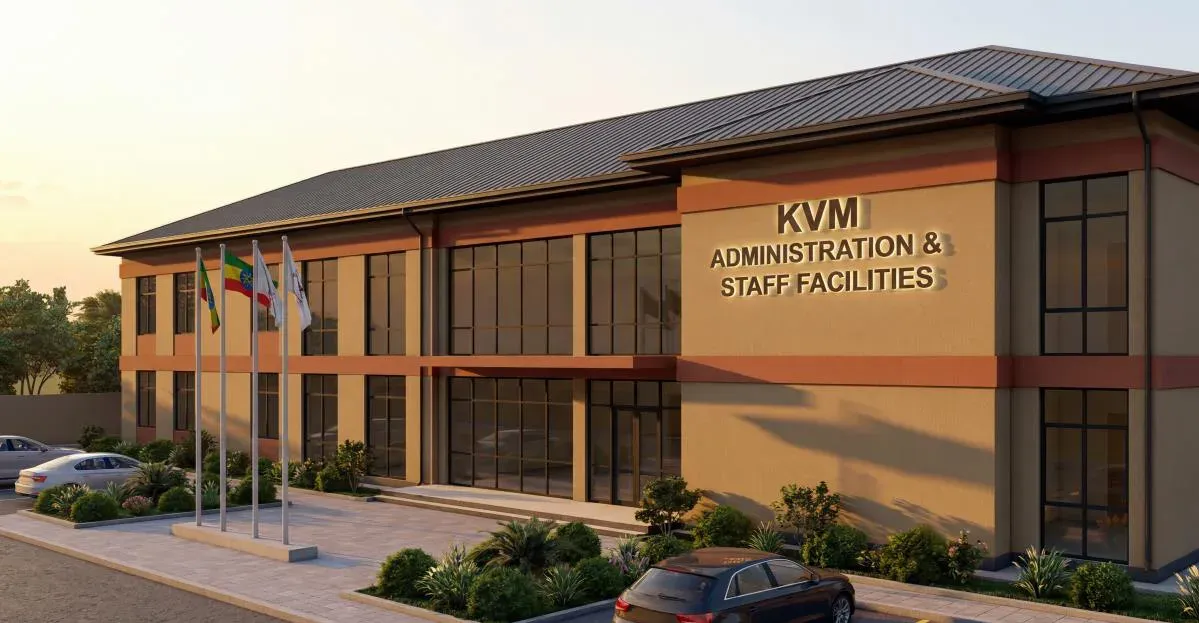 Concept rendering · Block B
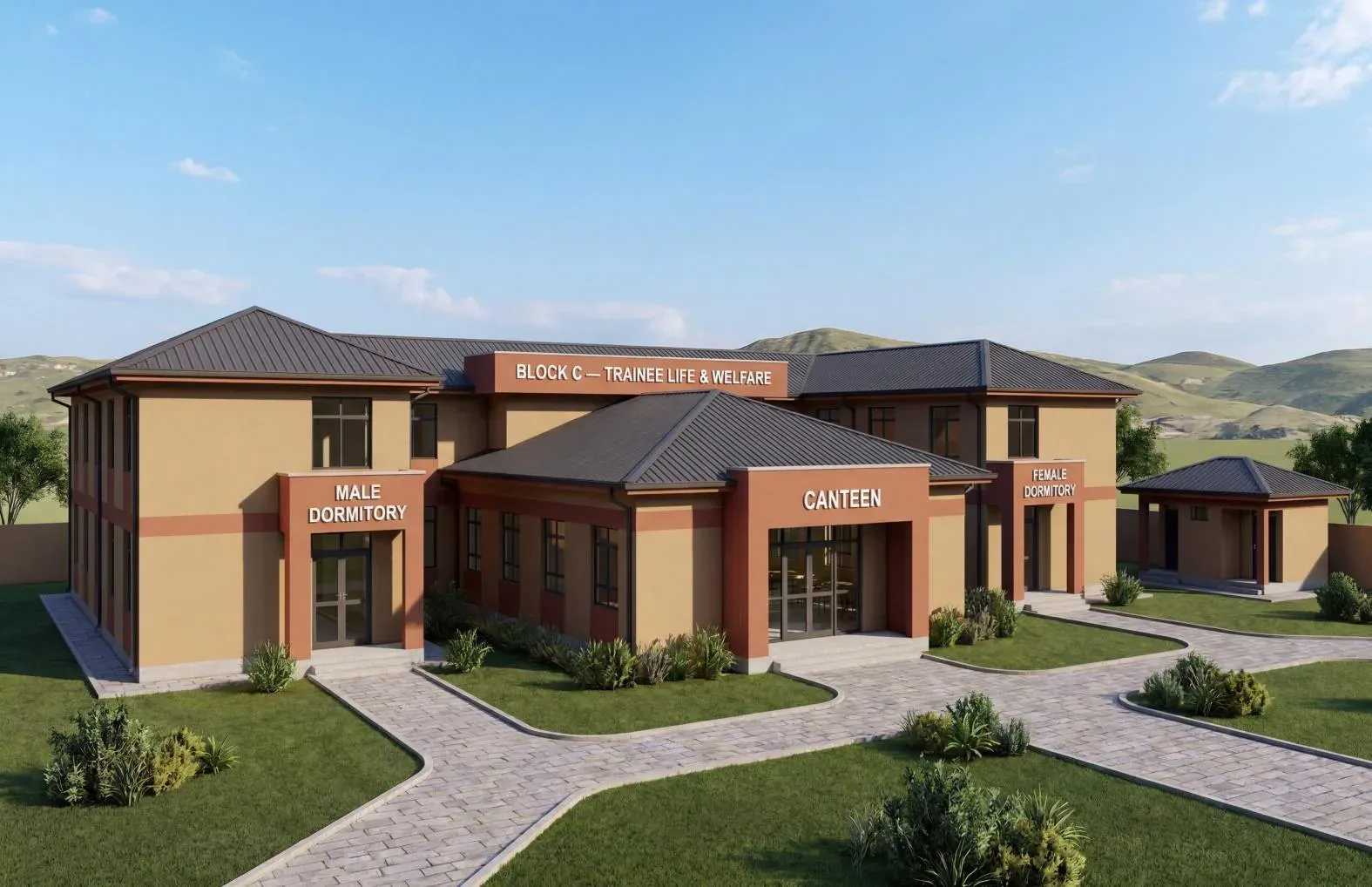 Concept rendering · Block C
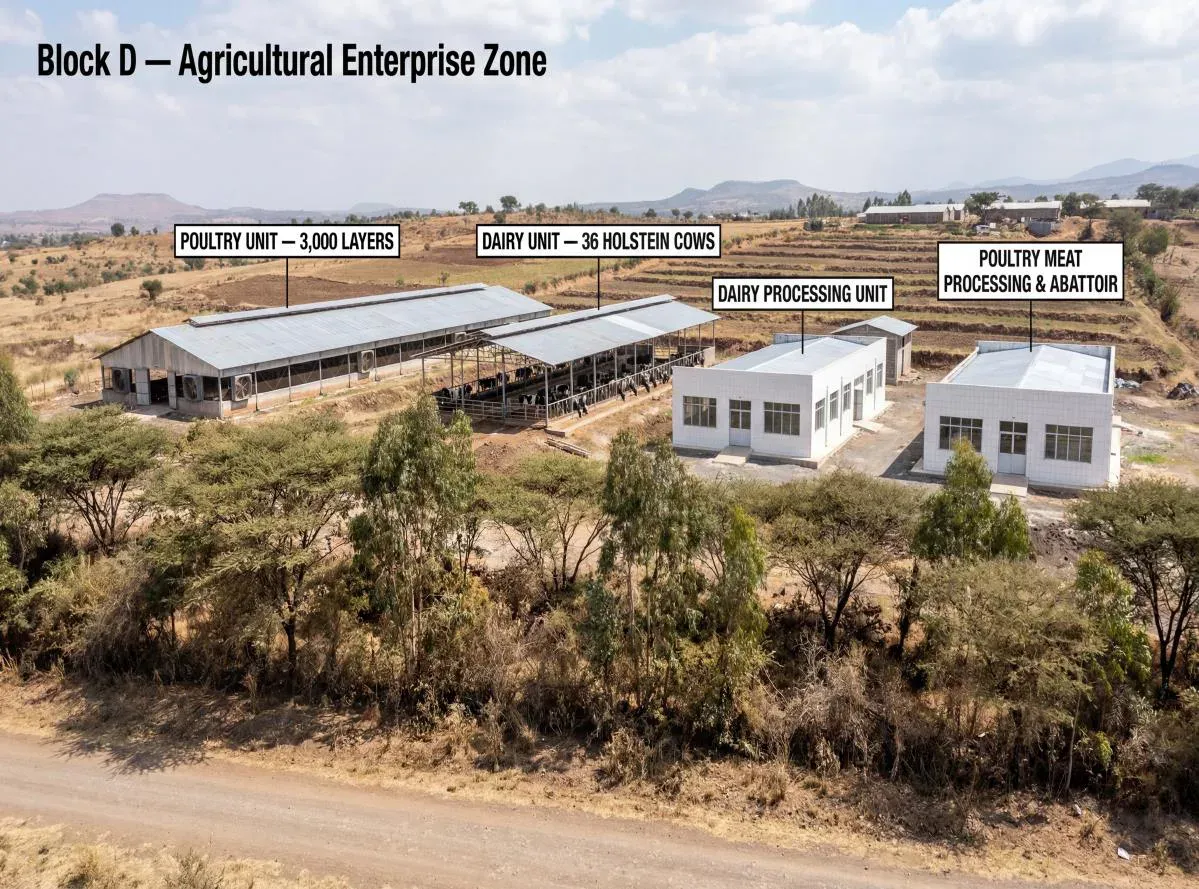 Concept rendering · Block D
| Block | Size | What it holds |
|---|---|---|
| ASpiritual and academic | 3,500 m² | 150-seat chapel with baptismal pool, library, classrooms, prayer rooms |
| BAdministration | 2,000 m² | Offices, boardroom, guest house |
| CTrainee life | 6,000 m² | Men’s and women’s dormitories, dining hall, sports fields |
| DFarm and processing | 10,000 m² | 3,000-hen poultry unit, 36-cow dairy unit, biogas, food processing |
| Roads, buffers, solar, reserve | 8,500 m² | — |
Cost
| Cost of building | USD |
|---|---|
| Land and legal | 120,000 |
| Block A | 350,000 |
| Block B | 280,000 |
| Block C | 450,000 |
| Block D | 150,000 |
| Infrastructure | 80,000 |
| Furnishing | 130,000 |
| Solar and water | 60,000 |
| Livestock | 40,000 |
| Design and management | 50,000 |
| Contingency | 150,000 |
| Total | 1,860,000 |
Running costs and the farm
| Projection (USD) | Year 1 | Year 2 | Year 3 |
|---|---|---|---|
| Running cost | 128,000 | 126,500 | 140,500 |
| Farm income (projected) | 35,000 | 42,000 | 44,000 |
| Needed from donors | 93,000 | 84,500 | 96,500 |
These are projections. Year 1 running cost is the sum of its six budget lines.
Sending missionaries out
A Mission Deployment Fund gives each missionary starting help for a small livelihood in their village, such as dairy cows, a poultry coop, or a motorbike with tools. They serve the community first, and churches grow from trusted relationships and are led by local believers.
Building in phases
Blocks A and C come first so training can start early.
Chapel, library and classrooms; dormitories and dining hall.
Poultry, dairy, biogas and processing: self-sustainability.
Audio Scripture and library resources for trainees and field teams.
Partner with us
Your gift supports missionary stipends, training, Gospel tracts and the Mission Center. We report back to every partner, quarterly.